

There's something so comforting about root vegetables, their earthiness, their sweetness, the way they pair so well with creamy, crunchy, acidic, smoky, or cheesy elements. They're the hidden treasures below ground that bring so much character to a dish. Let's dig in (quite literally) and talk about what root vegetables are, why they're wonderful, and how to cook several common ones so they shine on the plate.
What counts as a root vegetable?
A root vegetable is any subterranean (underground) part of a plant that we eat. That might be:
- The taproot (like carrots, beets, parsnips)
- The bulb (onions, garlic)
- The tuber (potatoes, sweet potatoes, yams)
- The rhizome (ginger, turmeric)
- Sometimes even thickened stem roots (like celeriac)
They tend to have strong flavor, great texture when cooked well, and many are packed with vitamins, fiber, and minerals.
How to choose and store root vegetables
- Look for firm, unblemished roots. Avoid soft spots, mold, or weird wrinkling.
- Size matters: smaller ones are often sweeter and more tender (e.g. baby carrots vs big ones).
- Store them in a cool, dark, slightly humid place (a root cellar if you have one, lucky you!). Refrigerator works, depending on the veggie. Remove tops of things like carrots/beets if stored long, greens draw out moisture.

How to cook root vegetables: methods & tips
Different cooking methods bring out different best traits, sweeter, softer, caramelly, smoky, tender. Here are methods and tips:
| Method | Best for | Tips to get the most flavor |
|---|---|---|
| Roasting | Beets, carrots, parsnips, sweet potatoes | Cut into even-sized pieces so they cook evenly; coat with oil, herbs/spices; roast at high temperature (425°F / ~220°C) to get caramelization; allow edges to crisp a bit. |
| Boiling / steaming | Potatoes, rutabaga, turnips, celeriac | Use just enough water; don't overboil-if boiling, let vegetables cook just until tender so they don't become mushy; steaming preserves more nutrients. |
| Mashed / pureed | Potatoes, sweet potatoes, turnips, sunchokes | Mash with butter or cream (or nondairy option), season well; add flavor with herbs, garlic, sautéed onions; leave skins on for texture & nutrition if you don't mind. |
| Grilling / roasting on a grill | Carrots, beets (sliced), onions, fennel bulbs | Toss them in oil and season; high heat gives grill marks and smoky flavor; slice thick so they don't burn. |
| Frying / sautéing | Potatoes (for fries or hash), onions, garlic, ginger | Use hot fat (oil, butter, or a mix); don't overcrowd the pan; finish with a dash of acid or herb. |
| Pickling / fermenting | Beets, onions, carrots | Adds tang, preserves; great as side, garnish; thinly slice or grate. |

Spotlight on some root vegetables & how I love to cook them
Here are a few beloved roots and how to make the most of each.
- Beets
Earthy, sweet when roasted. Roast whole (foil‐wrapped) or in wedges, peel after roasting. Use in salads (like roasted beet & kale), pickled, or pureed into soups. - Carrots
Sweet with a crunch raw; roasting concentrates sweetness and gives a lovely char. Also great shredded raw, glazed, or in stews. - Potatoes (and sweet potatoes)
Versatile: roast, mash, fry, bake. Sweet potatoes bring more sweetness and moisture. For smooth mash: boil cut potatoes until just tender, drain very well, add warm milk, butter, maybe roasted garlic. - Parsnips / Rutabaga / Turnips
These are more assertive in flavor. Parsnips are sweet, nutty; rutabaga & turnips can be slightly bitter or peppery. Roast, mash, or stew them; combining with sweeter roots or cream helps balance. - Fennel bulb (though technically not a root, it often behaves like one in cooking due to its texture and how it's used in savory roasted or grilled veggie dishes)
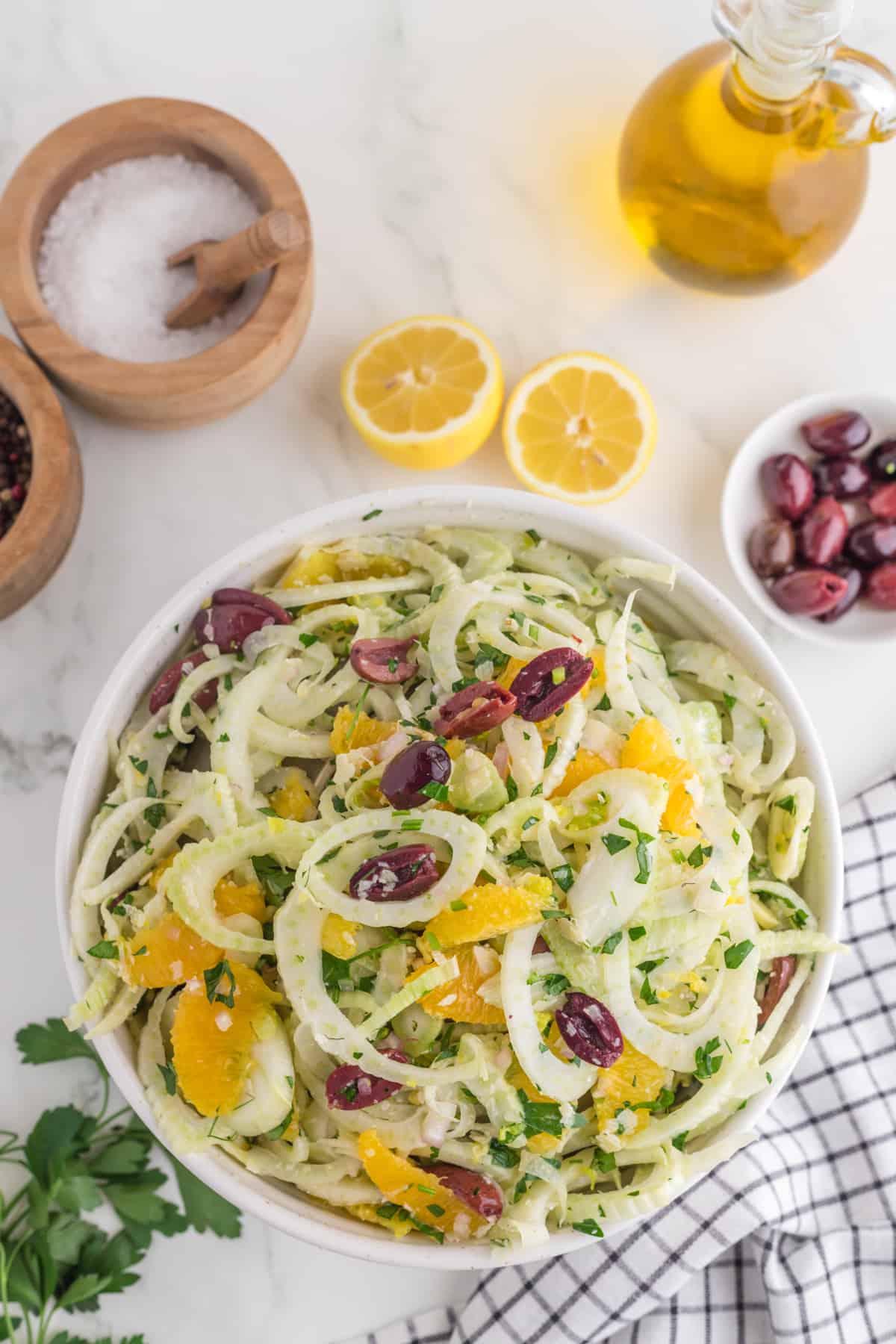
If you slice fennel bulbs and roast or grill them, they turn soft and caramel‐like, with a mild licorice/anise note. Brighten with citrus (like orange) to cut through the richness.
Recipes to try: Root vegetables in action
Because I firmly believe cooking is best learned by doing, here are some of my favourite root‐or‐root‐adjacent recipes:
- Beet & Kale Salad with Goat Cheese and Mandarin - Roasted beets + hearty kale + creamy goat cheese + sweet citrus. This salad shows how roasting a root and pairing it with tang and texture elevates everything.
- Mashed Potato Bowl with Chicken Tender Gravy - A cozy classic. Creamy potatoes make a comforting base for rich gravy & chicken, especially welcome in cooler weather.
- Sicilian-Style Fennel Orange Salad - A fresh contrast. Crisp fennel and bright orange combine for something light but flavorful. Perfect as a side when you've got heavier roasted roots or meat.
Pairing & flavour ideas
To make root vegetables really shine:
- Use acids (lemon juice, vinegar, citrus) to brighten. Roots can be rich or sweet; acid cuts through.
- Herbs & spice: Thyme, rosemary, sage, garlic, ginger, fennel seeds, cumin.
- Fat: Butter, olive oil, browned butter, goat cheese, cream-these bring moisture, richness, and help carry flavors.
- Sweet counterpoints: Maple syrup, honey, roasted fruit (like apples, pears), or sweet root vegetables themselves.
Tips
- Too bitter / strong flavor? Roast longer (browning helps), use sweeter roots or sweeteners, or pair with creamy or acidic things.
- Mushy texture: Overcooking is usually the culprit. Check early; blanch then roast if you want both tenderness and texture.
- Dryness: Especially with potatoes or sweet potatoes, add enough fat. For mash, warm dairy/fat helps. For roasted roots, ensure oil coating is good.
Root vegetables are humble, forgiving, and full of character. Keep things simple-roast or mash well, pair with balance, and they'll do most of the heavy lifting. Whether you're making a hearty mashed potato bowl, a fresh fennel-orange salad, or adding roasted beets to your kale, there's so much room to play.

Leave a Reply