

If you've ever followed a recipe exactly and still thought "why does this taste flat?", you're not alone. Seasoning is one of those cooking skills nobody really teaches, but once it clicks, everything you cook gets better. The good news is that seasoning food properly is not about fancy ingredients or chef tricks. It's about a few simple rules that work every single time.
I cook almost every day, and I still taste, adjust, and fix seasoning as I go. This post is here to help you understand what seasoning actually means, when to do it, and how to stop second-guessing yourself in the kitchen.
What seasoning really means
Seasoning is not just adding salt at the end. It's about building flavor gradually so food tastes balanced, not bland or overpowering.
Good seasoning:
- Enhances the natural flavor of the food
- Makes ingredients taste more like themselves
- Brings balance between salty, savory, acidic, and sometimes sweet
Bad seasoning usually means too little salt, added too late, or not tasting along the way.
Rule #1: Salt early, not just at the end
One of the biggest mistakes home cooks make is waiting until the very end to add salt. Salt needs time to work its way into food.
How to do it right:
- Salt meat before cooking, even 15 to 30 minutes helps
- Salt vegetables before roasting or sautéing
- Season pasta water generously so the pasta itself has flavor
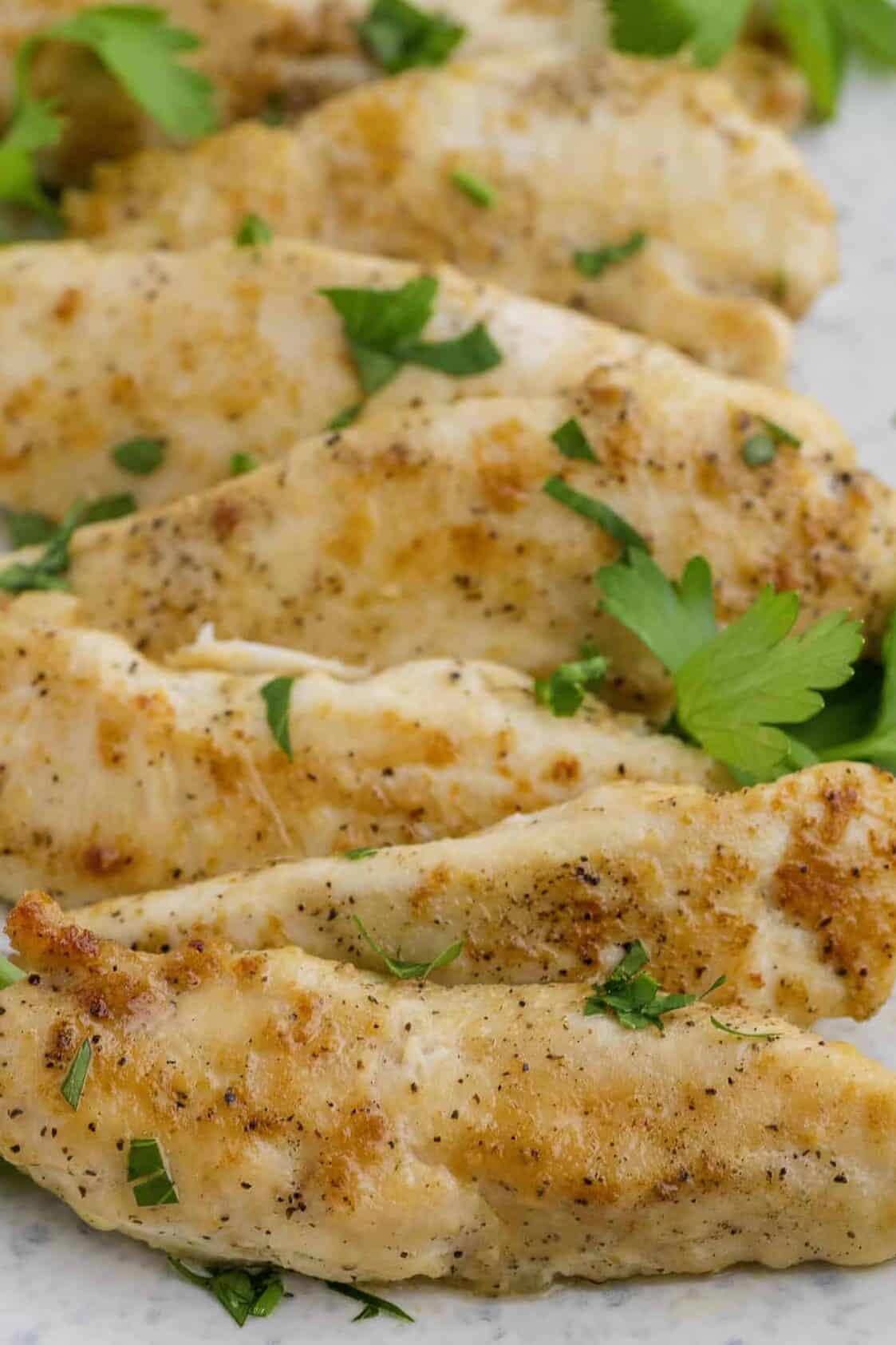
This is exactly why recipes like my Garlic Butter Chicken Tenders taste so good. The chicken is seasoned before it ever hits the pan, which makes it juicy and flavorful from the inside, not just coated in sauce at the end.
Rule #2: Taste as you cook, not only at the end
This one sounds obvious, but most people skip it.
You should taste:
- Sauces while they simmer
- Soups before serving
- Grain salads before chilling
Every time you taste, ask yourself one question:
"Does this taste a little flat?"
If the answer is yes, it usually needs salt, not more spices.
In something like a Mediterranean Pearl Couscous Salad, tasting before serving is essential. Cold foods always need a bit more seasoning than warm ones, especially salt and acid.

Rule #3: Add seasoning in layers
Seasoning once is rarely enough.
Think of seasoning like this:
- A little at the beginning
- A little during cooking
- A final adjustment at the end
This is especially important for foods that absorb flavor slowly, like grains, legumes, and proteins.
Rule #4: Understand what salt actually does
Salt does more than make food salty.
It:
- Enhances sweetness in vegetables
- Reduces bitterness
- Brings out savory flavors
If food tastes dull, it's usually missing salt, not garlic, not pepper, not herbs.
This is very noticeable with fish. A simple salmon filet can taste completely different depending on when and how it's seasoned. That's why even something easy like Frozen Air Fryer Salmon works so well when seasoned properly before cooking.

Rule #5: Acid is part of seasoning too
If food tastes seasoned but still feels heavy or boring, it might need acid, not salt.
Acid can be:
- Lemon juice
- Vinegar
- Tomatoes
- Pickled ingredients
A small splash at the end can wake everything up, especially soups, salads, and roasted vegetables.
Tip: Add acid slowly and taste every time. You can always add more, but you can't take it out.
Rule #6: Be careful with dried spices
Dried spices are powerful, but they don't fix bland food on their own.
Common mistakes:
- Adding too many spices instead of enough salt
- Using very old spices with no flavor left
- Burning spices by adding them too late in hot oil
Use spices to support seasoning, not replace it.
Rule #7: Cold food needs more seasoning than hot food
This surprises a lot of people.
When food cools down:
- Salt tastes less intense
- Flavors feel muted
That's why salads, grain bowls, and leftovers often need a little extra salt before serving.
Always taste food at the temperature you're going to eat it.
How to fix food that tastes bland
If your food tastes boring, try this order:
- Add a pinch of salt
- Taste
- Add a splash of acid
- Taste again
Nine times out of ten, that solves the problem.
FAQs
If it tastes flat or dull, it usually needs salt. If it tastes heavy or one-note, it probably needs acid.
Yes, but it usually happens by adding too much at once. Season in small amounts and taste often.
Kosher salt is easier to control because the grains are larger. If you use table salt, use less.
Seasoning food properly is not about being perfect. It's about paying attention, tasting often, and trusting your palate a little more each time you cook. The more you practice, the more natural it becomes.
Once you understand these simple rules, you'll notice that all your everyday meals taste better, even the easiest ones.


Leave a Reply