

There's something magical about fall produce. Crisp mornings, cozy soups simmering on the stove, and baskets overflowing with colorful vegetables from the market or your own garden. But here's the challenge, once you lug home all those beautiful squashes, roots, and greens, how do you keep them fresh so they don't turn into a science experiment in your fridge by Thanksgiving?
Don't worry, I've got you covered. With just a little know-how, you can keep your fall veggies crisp, flavorful, and ready for all the soups, stews, and roasted sheet pans of the season. Let's dive in.
Why Proper Storage Matters
Vegetables are living things, even after they're picked. Some like it cool and damp, others prefer a dark, dry spot. If you toss them all together in the fridge, you'll end up with limp carrots, moldy squash, and onions sprouting like it's spring again. A few simple storage tweaks will save you money and keep your meals tasting fresh.
How to Store Popular Fall Vegetables
Here's a breakdown of the fall veggie all-stars and how to keep each one happy:
1. Winter Squash (butternut, acorn, spaghetti, pumpkin)
- Best storage: A cool, dry place like a pantry or basement.
- Temperature sweet spot: 50-60°F.
- Shelf life: 1-3 months, depending on the variety.
- Tip: Keep them whole until you're ready to cook. Once cut, wrap tightly and refrigerate for up to 5 days.
2. Root Vegetables (carrots, beets, turnips, parsnips)
- Best storage: In the fridge, inside a perforated plastic bag or wrapped in a damp towel.
- Shelf life: 2-4 weeks.
- Tip: Remove the greens! They pull moisture from the root. Save them for sautéing or making pesto.
3. Potatoes
- Best storage: A dark, cool, dry space (never the fridge).
- Shelf life: 1-2 months.
- Tip: Keep them away from onions. Stored together, they'll spoil faster. If you need inspo for using up potatoes before they sprout, try my cozy Tex-Mex Ground Beef and Potato Skillet-it's hearty, flavorful, and perfect for chilly evenings.

4. Onions & Garlic
- Best storage: A mesh bag in a dry, well-ventilated spot.
- Shelf life: 1-3 months.
- Tip: Like potatoes, onions don't belong in the fridge. Keep garlic heads whole until you're ready to use.
5. Cabbage
- Best storage: Crisper drawer in the fridge.
- Shelf life: Up to 1 month.
- Tip: Don't wash or cut until you're ready to use-outer leaves naturally protect the inner layers.
6. Brussels Sprouts
- Best storage: In a perforated bag in the fridge.
- Shelf life: 1-2 weeks.
- Tip: If you find them still on the stalk, keep them that way-they'll last longer. And when you're ready to cook them, try my Air Fryer Brussels Sprouts with Balsamic Glaze-crispy on the outside, tender inside, with a tangy-sweet finish.

7. Apples (bonus fall staple!)
- Best storage: In the fridge, away from leafy greens (apples release ethylene gas that speeds ripening).
- Shelf life: 4-6 weeks.
- Tip: Store in a separate produce drawer if possible.
Extra Tips for Keeping Veggies Fresh
- Don't wash until ready to eat. Excess moisture encourages mold.
- Check weekly. One bad veggie can spoil the whole bunch.
- Use breathable bags. Perforated bags or damp towels keep the right balance of humidity.
- Freeze what you can't finish. Many fall veggies (like blanched squash or roasted beets) freeze beautifully.
What to Cook With Stored Fall Veggies
Once you've got your veggies stored properly, the fun part begins: cooking! Here are a few cozy dishes from my kitchen you might love:
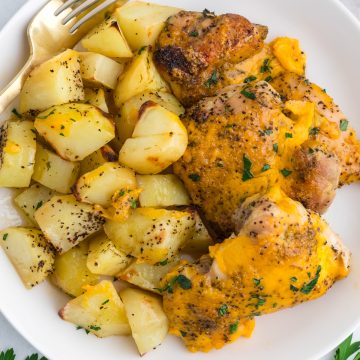
- A hearty Chicken Broccoli Potato Casserole with cheese.
- My comforting Mediterranean Lentil Soup perfect for pairing with fresh bread.
- Or cook up your butternut squash in this Butternut Squash Pasta with Baked Feta.

Storing fall vegetables the right way isn't complicated, it's just about giving each one the environment it needs. With a little planning, you can enjoy crisp carrots, sweet squash, and hearty greens all season long. Your wallet will thank you, your meals will taste better, and you'll waste a whole lot less food.
So go ahead, stock up at the farmer's market this weekend. You've got the storage know-how to make those veggies last until the very last leaf falls.

Leave a Reply